
 See Our Latest Article on HelloNation
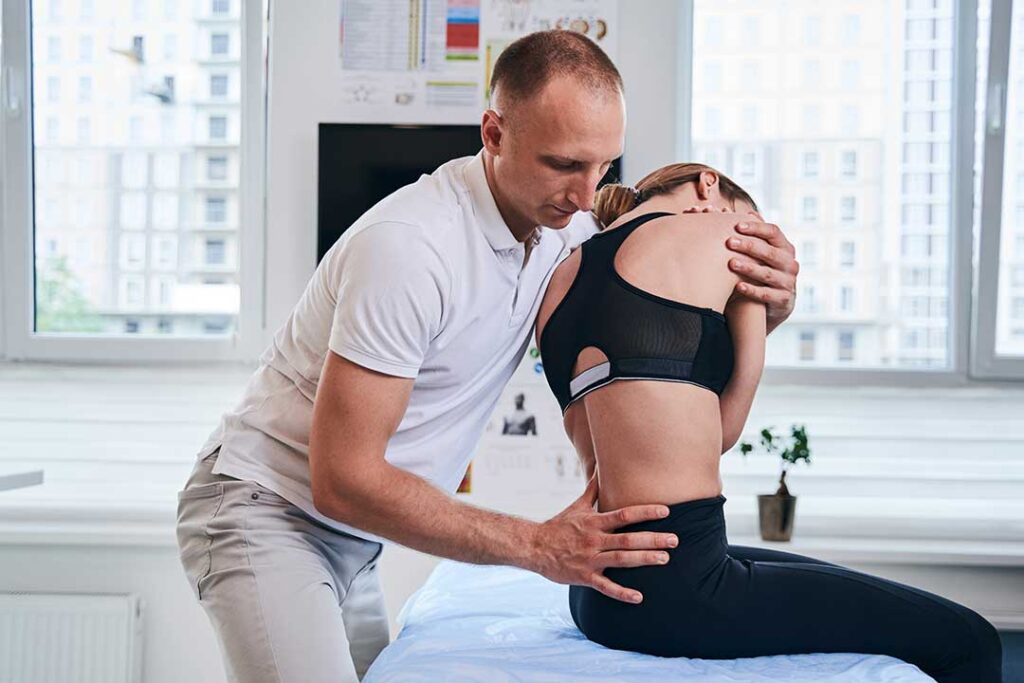
Can Ignoring Small Discomforts Really Be a Problem?
Minor aches and pains are common, especially for people juggling daily routines, physically demanding work, or changes in activity levels due to Bath, NY’s changing seasons. While it’s easy to overlook a sore back after yard work, a stiff neck in the morning, or minor joint discomfort after shoveling snow, even mild pain can be your body’s way of telling you something needs attention. Left unchecked, these small issues may progress into more persistent or complicated concerns.
Why Do Minor Aches and Pains Occur So Frequently?
Most minor pains are related to daily activities, posture, sleep habits, or repetitive movement—issues commonly experienced by households in the region. Here are some typical causes:
- Lifting heavy logs during spring cleanup
- Spending hours gardening or mowing uneven ground
- Slips on icy driveways in winter, even if the fallout seems trivial
- Prolonged time at workstations or in front of screens
Small injuries, awkward movements, or even routine wear and tear can irritate muscles, joints, or nerves. Sometimes these pains resolve quickly with rest, but chronic or recurrent discomfort often points to ongoing strain or misalignment.
When Should Mild Pain Raise a Red Flag?
Most people expect stiffness or soreness after a busy day, yet persistent, recurring, or gradually worsening symptoms deserve closer attention. A good rule: if the discomfort lasts beyond a few days, frequently returns, or starts to interfere with normal activity—such as walking through local parks or doing household chores—it should not be ignored.
In Bath, where winter weather can create slick walkways and heavy snow, lingering pain from slips could indicate more than a simple bruise. Ignoring minor pain might allow injuries to worsen, slow healing, or increase risk for long-term mobility issues.
What Risks Come from Putting Off Early Attention?
Delaying action may allow a minor issue to develop into a bigger problem, such as:
- Compensating with awkward posture or movement, leading to strain in other areas
- Increased inflammation and loss of flexibility
- Unnoticed aggravation of small injuries, such as microtears or joint irritation
- Development of chronic pain or headaches
For example, a seemingly harmless sore shoulder from raking leaves may lead to limited range of motion or chronic stiffness if not managed early. That can make everyday tasks—like carrying groceries or reaching overhead at home—more difficult over time.
How Do Local Lifestyle and Climate Affect Patterns of Pain?
Bath’s climate and geography shape many residents’ activity patterns, influencing musculoskeletal health. Cold weather increases the risk of slips and muscle stiffness. Gardening, home maintenance, and sports—popular in the region’s warmer months—bring repetitive stresses. Homes with older or uneven flooring can contribute to subtle trips or awkward landings, setting off small injuries.
Some residents may also adapt indoor exercise routines during long winters, increasing the chance of new or unusual muscle aches. Paying attention to early discomfort allows for easier adjustments and reduces risk for persistent pain.
Are There Common Misconceptions About Mild Pain?
Yes. A few mistaken beliefs often cause people to “push through” pain or ignore it entirely:
- “It’s just part of getting older.” Many accept routine pain as normal aging, overlooking manageable causes.
- “If I don’t remember a specific injury, it’s not serious.” Small traumas may not seem dramatic but can still result in tissue irritation.
- “Rest alone will always fix it.” While brief rest helps, persistent discomfort may need targeted movement or specific care.
- “Mild pain isn’t worth mentioning to anyone.” Dismissing small symptoms can delay addressing preventable issues.

Recognizing these misconceptions may help area residents be more proactive in noticing and addressing changes in their bodies.
What Can Residents Do If Aches Become Noticeable?
While not every symptom requires immediate intervention, there are practical steps people in Bath can take if they start feeling new pain:
- Track the frequency, intensity, and duration of symptoms
- Note activities or movements that seem to bring on discomfort
- Apply basic self-care, such as gentle stretching, ice, heat, or supportive rest (not total immobility)
- Make ergonomic adjustments when possible—whether shoveling snow, gardening, or sitting at a desk
- Re-evaluate footwear for stability and support, especially during winter or on uneven ground
- Seek further information about body mechanics and prevention strategies from trustworthy educational sources
Observing any worsening, spreading, or persistent pain is a sign to seek out more information and take preventative action.
Why Does Early Intervention Matter for Long-Term Wellbeing?
Catching small issues early makes a big difference over time. Early attention allows for gentle adaptation, self-care, and, if necessary, further evaluation without the added burden of chronic inflammation or established compensation patterns. In Bath’s tight-knit community, many households value staying active through all seasons—whether for work, recreation, or family life. Protecting mobility and comfort by not ignoring minor aches supports healthier aging and greater participation in local events and routines.
